

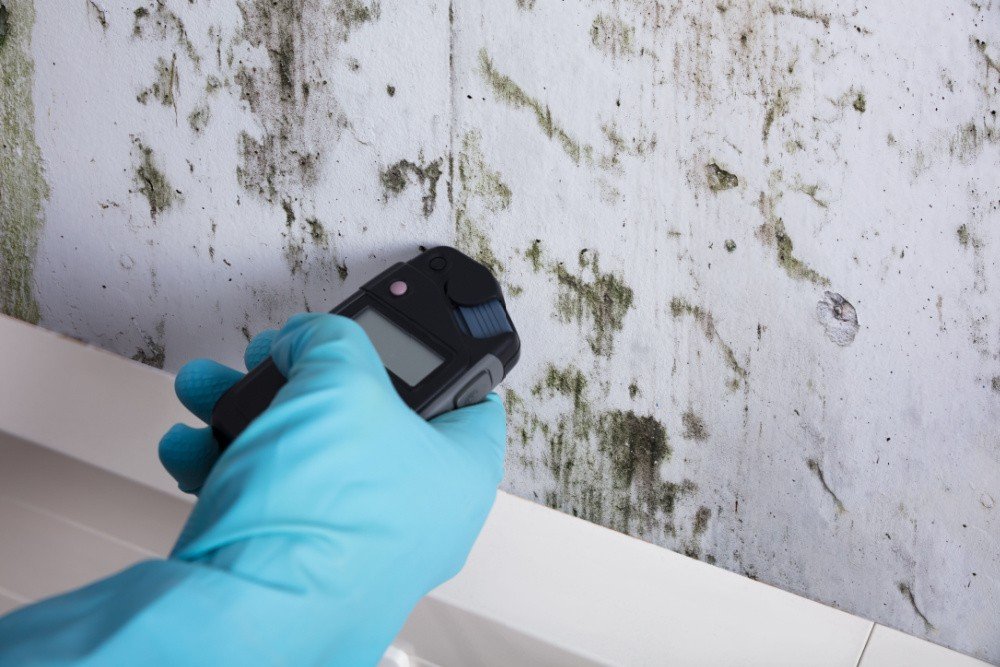
Mold can pose significant health risks and damage to your property if left unchecked. When you suspect mold presence, selecting the right testing method is crucial for accurate identification and remediation. With various mold testing options available, understanding each method can help you make an informed decision. Here’s how to choose the right mold testing method for your property.
Certified Professionals You Can Trust
With mold testing Los Angeles, certified inspectors follow strict standards to ensure reliable, lab-tested results. They identify contamination sources accurately and provide honest recommendations—protecting your property and your health with complete transparency.
1. Understand the Types of Mold Testing
Before selecting a testing method, it’s essential to understand the different types of mold testing available. The primary methods include:
- Air Sampling: This method involves collecting air samples to analyze the concentration and types of mold spores present in the air. It’s useful for assessing indoor air quality.
- Surface Sampling: This method tests specific surfaces for mold growth. Techniques include tape lifts, swab tests, and bulk sampling.
- Bulk Sampling: This involves collecting materials suspected of harboring mold, such as drywall or insulation, for laboratory analysis.
Each method has its advantages and limitations, so understanding them is the first step in making an informed choice.
2. Consider Your Specific Needs
The right mold testing method often depends on your specific needs and concerns. If you’re experiencing unexplained health issues, air sampling may provide insights into airborne mold spores affecting indoor air quality. If you see visible mold, surface sampling can help identify the specific type and extent of the problem. Consider what you hope to achieve from the testing to guide your decision.
3. Evaluate the Extent of the Problem
Assessing the extent of the mold problem is crucial in determining the testing method. For minor mold issues, a simple surface test may suffice. However, if you suspect widespread mold growth or have experienced water damage, comprehensive air sampling might be necessary to understand the situation fully. Evaluating the severity of the problem will help you choose the most appropriate testing method.
4. Think About Time Constraints
Different mold testing methods come with varying time requirements for results. Air sampling can provide quicker results, often within a few days, while laboratory analysis of bulk samples may take longer. If you need immediate information, consider methods that yield faster results. However, keep in mind that speed should not compromise accuracy.
5. Assess the Cost Implications
Cost can be a significant factor in selecting a mold testing method. Air sampling and professional testing services may involve higher costs compared to DIY surface tests. However, investing in professional services often yields more accurate results and can save you money in the long run by preventing further mold damage. Evaluate your budget and consider the potential costs of mold remediation when making your decision.
6. Seek Professional Guidance
If you’re unsure which testing method to choose, consulting a mold remediation professional can provide valuable insights. Experts can assess your situation and recommend the most suitable testing method based on their experience and knowledge. Their guidance can help you navigate the complexities of mold testing and ensure you select the best approach for your property.
7. Research Testing Companies
If you decide to hire a professional for mold testing, take the time to research reputable companies. Look for companies with certifications, positive reviews, and experience in mold testing. A qualified professional will not only conduct the tests but also interpret the results accurately and recommend appropriate remediation steps.
8. Review Your Property’s History
Understanding your property’s history can influence your choice of mold testing method. If your home has a history of water damage or mold issues, comprehensive testing may be warranted. Conversely, if you’ve never had mold problems, a less extensive test may suffice. Take into account previous incidents to guide your testing approach.
9. Follow Up with Remediation Plans
After selecting a testing method and receiving results, the next step is to follow up with a remediation plan if mold is detected. Choose a reliable mold remediation company to address the issue effectively. Ensure they provide a detailed plan, including the methods they will use and how they will prevent future mold growth.
Conclusion
Choosing the right mold testing method for your property is essential for effective mold management. Understanding the types of tests available, evaluating your specific needs, and considering cost implications are critical steps in the decision-making process. By following these guidelines, you can ensure accurate mold detection and take appropriate action to protect your health and property. Don’t hesitate to seek professional assistance to navigate this important aspect of home maintenance.
 Admin
Admin